is plant protein better for you 10 complete plant protein sources that don’t need combining
Plant-based protein has become increasingly popular in recent years, and for good reason. Not only are these proteins a great source of essential amino acids, they also offer a range of health benefits. Let’s dive into the world of plant-based protein and explore how it can help you meet your daily protein needs.
Why choose plant-based protein?
There are numerous reasons why more and more people are opting for plant-based protein. Firstly, plant proteins are often lower in saturated fat and cholesterol compared to animal proteins. This makes them a heart-healthy choice as they can help lower cholesterol levels and reduce the risk of heart disease. Additionally, plant proteins are typically higher in fiber, which aids in digestion and can help with weight management.
Furthermore, plant-based proteins also offer a sustainable and environmentally friendly alternative to animal-based proteins. Livestock farming is a major contributor to greenhouse gas emissions and deforestation. By choosing plant-based proteins, individuals can reduce their environmental impact and contribute to a healthier planet.
Meeting your protein needs with plant-based sources
While many may be concerned about the adequacy of plant-based protein, it is more than possible to meet your protein needs on a plant-based diet. There are a plethora of plant-based protein sources to choose from, including legumes, nuts, seeds, whole grains, and soy products.
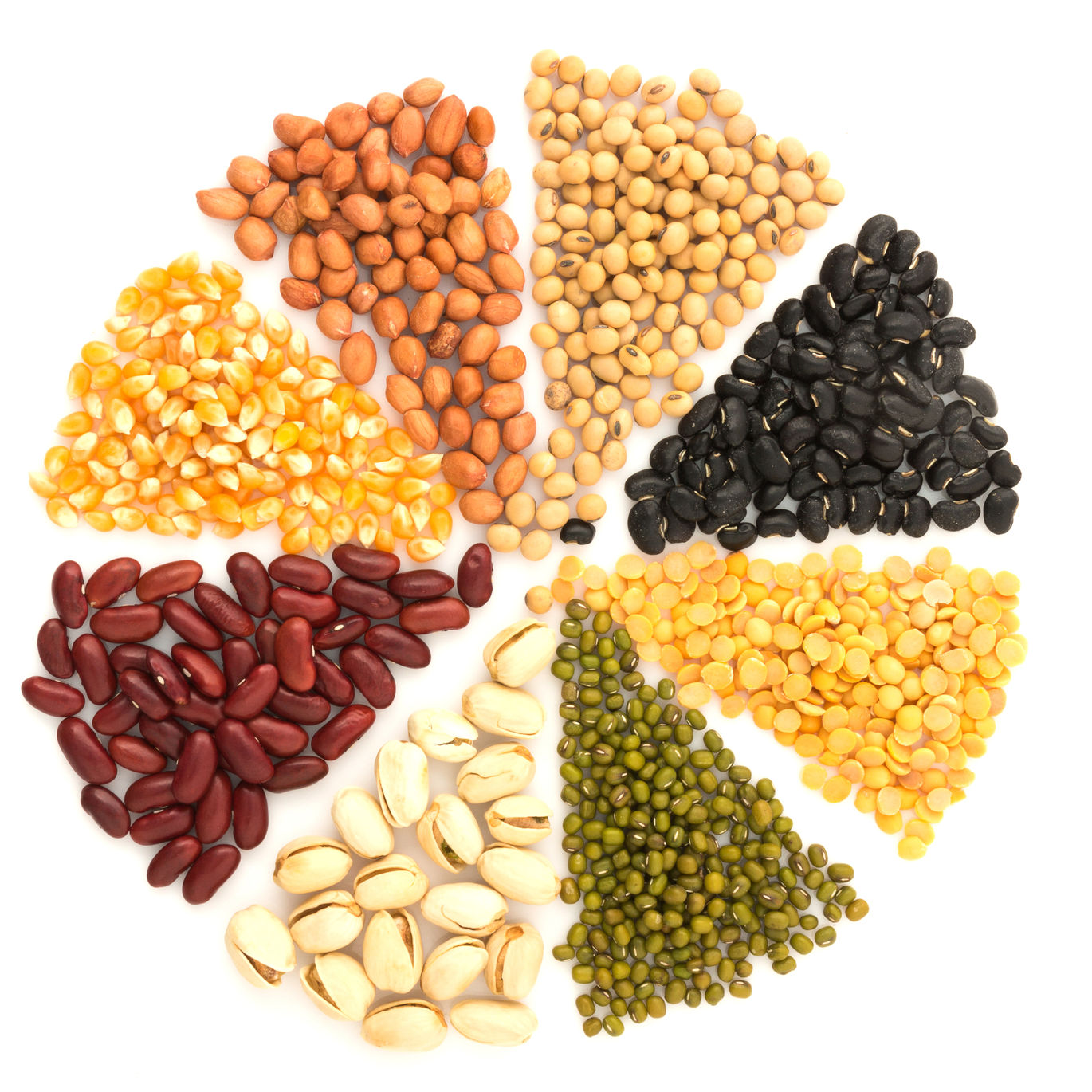
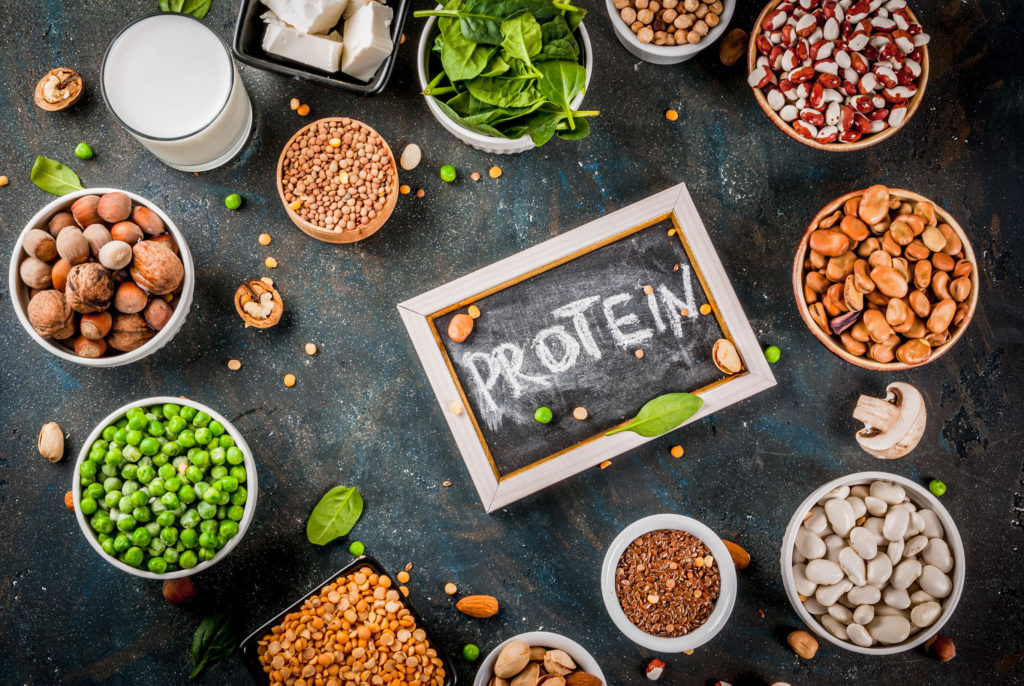
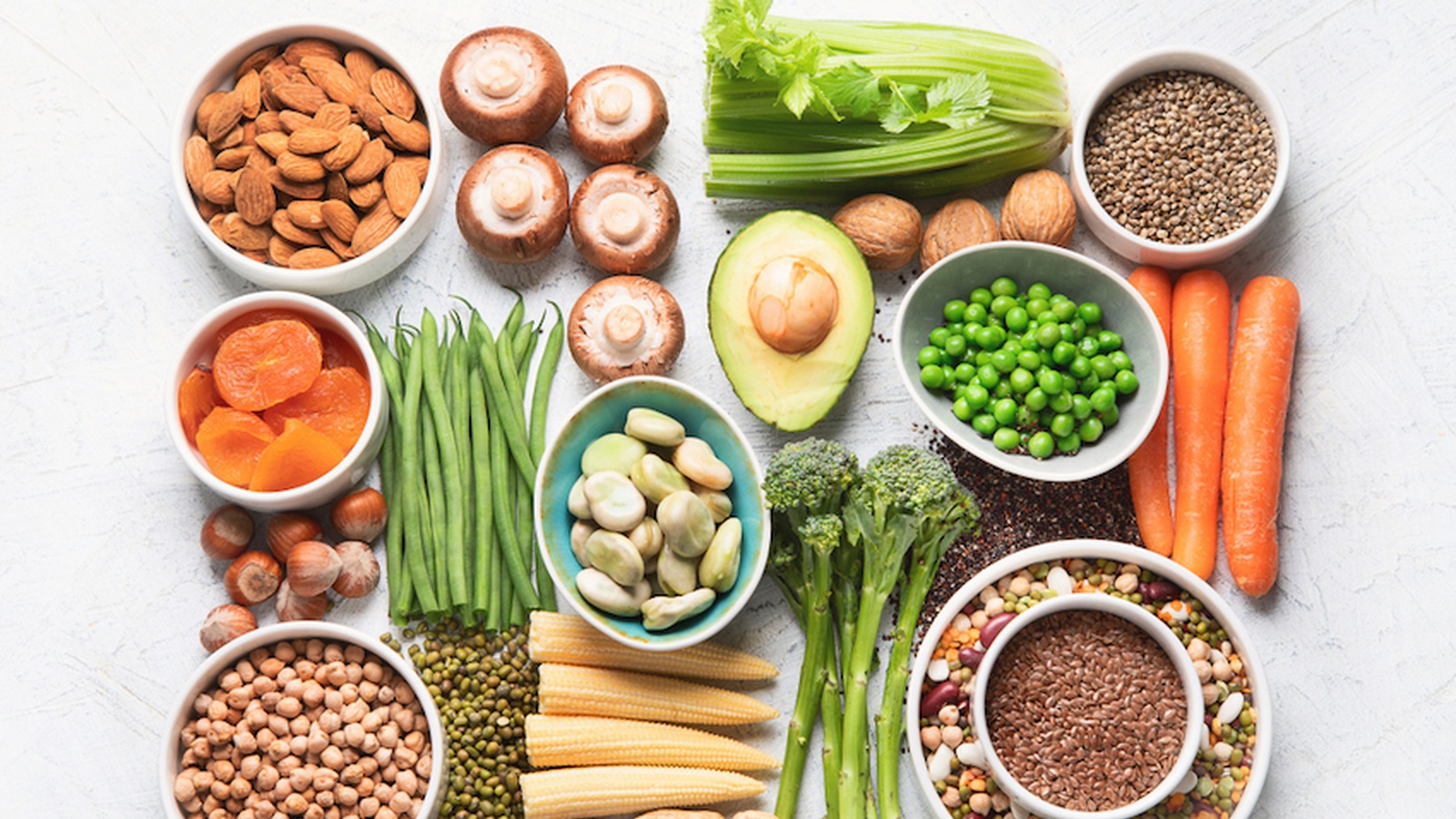
Legumes such as lentils, chickpeas, and black beans are not only rich in protein, but they also provide important minerals and fiber. Nuts and seeds, like almonds, chia seeds, and hemp seeds, are packed with protein and healthy fats. Whole grains such as quinoa, brown rice, and oats are not only a great source of protein, but they also offer complex carbohydrates for sustained energy.
One popular source of plant-based protein is soy. Soybeans, tofu, tempeh, and edamame are all excellent sources of protein and are versatile in cooking. Soy protein has been shown to have similar benefits to animal-based proteins, making it an ideal choice for those transitioning to a plant-based diet.
How to incorporate plant-based protein
Incorporating plant-based protein into your diet can be easy and delicious. Start by incorporating one or two meatless meals into your weekly routine. Replace meat with plant-based proteins like lentils, beans, or tofu in dishes such as stir-fries, tacos, or salads.
 The importance of variety
When following a plant-based diet, it’s crucial to consume a variety of protein sources to ensure you are getting all essential amino acids. Combining different plant-based proteins throughout the day, such as whole grains with legumes or nuts and seeds, can help create a complete protein profile.
It’s also essential to pay attention to portion sizes and overall calorie intake. While plant-based proteins are generally healthy, consuming too many calories from any source can lead to weight gain. Be mindful of portion sizes and balance your meals with a variety of fruits, vegetables, and whole grains.
 Final thoughts
Plant-based protein is not only a viable alternative to animal-based protein but also offers a range of health benefits. By choosing plant-based proteins, you can promote heart health, support weight management, and reduce your environmental impact.
With a wide array of plant-based protein sources available, it’s easier than ever to meet your daily protein needs on a plant-based diet. Incorporate a variety of legumes, nuts, seeds, and whole grains into your meals to achieve a complete protein profile.
Remember, balance is key. Combine plant-based proteins with a colorful assortment of fruits and vegetables to ensure you’re getting all the essential nutrients your body needs. So why not give plant-based protein a try? Your body and the planet will thank you!
If you are looking for 10 Complete Plant Protein Sources That Don’t Need Combining you’ve visit to the right page. We have 5 Images about 10 Complete Plant Protein Sources That Don’t Need Combining like Is Plant Protein Better For You Than Animal Protein? | Food protection, Plant-Based Protein: Your Guide to Getting Enough and also Is Plant Protein Better For You Than Animal Protein? | Food protection. Here you go:
10 Complete Plant Protein Sources That Don’t Need Combining
 foodhow.comfoodhow
Plant-Based Series: Are You Getting Enough Protein? - Manuel Villacorta
 www.manuelvillacorta.comTop 6 Sources Of Plant-Based Protein | FOOD MATTERS®
 www.foodmatters.comIs Plant Protein Better For You Than Animal Protein? | Food Protection
www.pinterest.comPlant-Based Protein: Your Guide To Getting Enough
nutritiouslife.comprotein plant based bean beans food lentils assortment guide groundnut kidney agricultural red pinto isolated mung macadamia spoon wooden wood
Plant-based series: are you getting enough protein?. Top 6 sources of plant-based protein. Plant-based protein: your guide to getting enough