can a dog grow out of seizures Seizures in dogs manging
Dog seizures can be a frightening and distressing experience for both dogs and their owners. Witnessing your furry friend undergo a seizure can leave you feeling helpless and concerned. It is crucial to educate ourselves about what dog seizures look like and how to support our four-legged companions during these episodes.
Understanding Dog Seizures
During a seizure, a dog experiences a sudden and uncontrolled burst of electrical activity in the brain, leading to a wide range of physical and behavioral changes. Seizures can vary in intensity and duration, with some lasting only a few seconds, while others can continue for several minutes.
Identifying the Signs
Recognizing the signs of a seizure is essential in providing assistance to your dog and ensuring their safety during the episode. Common symptoms include:
 Trembling and shaking: The dog’s body may shake uncontrollably during a seizure.
Loss of bladder/bowel control: Dogs may unintentionally urinate or defecate during a seizure.
Stiffness: Dogs may become rigid and unresponsive during a seizure, often with their limbs stretched out.
Jerking movements: Convulsive movements, such as paddling their legs or head bobbing, are common.
Altered consciousness: Dogs may appear confused, disoriented, or have a blank stare during and after a seizure.
Supporting Your Dog During a Seizure
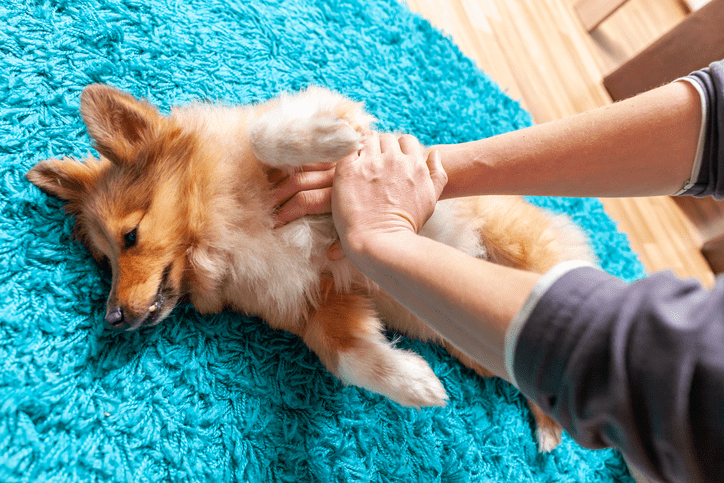 Remain calm: It is crucial to stay composed during your dog’s seizure. Speak softly and avoid sudden movements that could startle them.
Clear the area: Move any objects or furniture that could potentially harm your dog during the seizure. Create a safe space for them to minimize the risk of injury.
Do not restrain: It may be tempting to hold or restrain your dog during a seizure, but this can cause further distress. Allow the seizure to run its course, ensuring your dog has enough space.
Monitor the duration: Timing the duration of the seizure is essential. If the seizure lasts longer than a few minutes, contact your veterinarian immediately.
Consult your vet: Even if it is your dog’s first seizure, it is crucial to consult your veterinarian. They can help determine the underlying cause and provide guidance on potential treatment options.
Conclusion
Witnessing a dog seizure can be a distressing experience, but understanding the signs and knowing how to offer support is critical. Remember to stay calm, ensure your dog’s safety, and consult your veterinarian for proper diagnosis and treatment. With your love and care, you can help your furry friend navigate through these challenging episodes.
If you are searching about Pin on Dog seizures you’ve visit to the right place. We have 5 Pics about Pin on Dog seizures like Pin on Dog seizures, Dog Seizures - LIFE WITH DOGS and also Seizures In Dogs Manging | Symptoms, Causes & Best Treatment. Here you go:
Pin On Dog Seizures
 www.pinterest.comseizure seizures epilepsy pets canna
Dog Seizures - LIFE WITH DOGS
www.lifewithdogs.tvdog seizures dogs
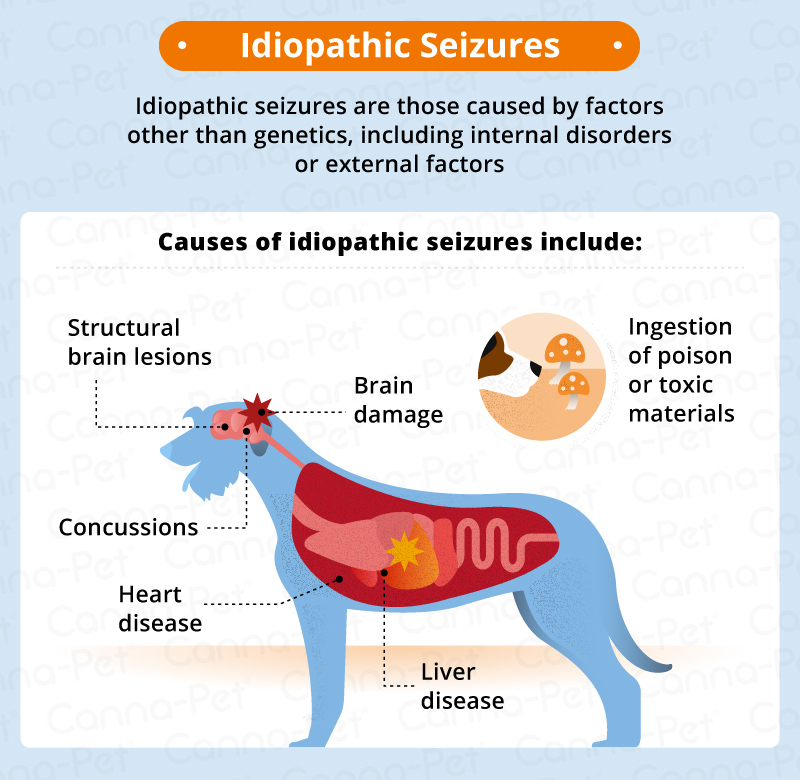
What Does A Dog Seizure Look Like? | Canna-Pet
canna-pet.comdog seizure look does seizures idiopathic pet happens canna during
Seizures In Dogs Manging | Symptoms, Causes & Best Treatment
 fishsubsidy.orgseizures manging wagwalking src
What To Do When Dogs Have Seizures - Hjemmedesignere

Seizures in dogs manging. Dog seizures. What does a dog seizure look like?